Can Custom Window Treatments Help Lower Energy Costs?
Energy bills in Texas have a way of creeping up without warning, especially during long stretches of extreme heat. Many homeowners focus on HVAC upgrades or insulation, yet overlook one of the most influential elements in the home: the windows. And so this begs the question, can custom window treatments help lower energy costs? More homeowners are asking as they search for smarter ways to keep their homes comfortable without paying a hefty bill each month.
The answer isn’t as simple as choosing a darker shade or thicker material for your window treatment. The real impact comes from a series of thoughtful design and performance decisions that most homes never receive. When those decisions are made intentionally, window treatments become more than a finishing touch. They become a powerful tool for improving comfort, efficiency, and long-term savings.
Why Windows Are a Major Source of Heat Gain in Texas Homes
Sunlight entering through windows carries more than brightness. It brings radiant heat that quickly raises indoor temperatures, especially in homes with large windows, open floor plans, or west- and south-facing exposures.
In the DFW climate, heat gain often peaks during the late afternoon. During this time, air conditioners run longer and harder just to maintain a livable temperature. Even well-insulated homes feel the impact when windows are left unprotected or paired with treatments that focus only on appearance.
The challenge isn’t eliminating natural light, but rather managing how and when heat enters your space.
Not All Window Treatments Reduce Heat the Same Way
One of the biggest misconceptions homeowners have is assuming that darker blinds or thicker materials automatically reduce heat.
In reality, heat control depends on how a window treatment interacts with air, sunlight, and the glass itself. Some window treatment products absorb heat and transfer it indoors. Others reflect it back toward the window.
The most effective solutions create an insulating barrier that slows heat transfer altogether. This is why professional recommendations differ so dramatically from what’s commonly available in big-box stores. In Texas homes, performance matters just as much as style.
Custom Window Treatments that Help Lower Energy Costs
1. Cellular Shades: One of the Most Effective Heat-Reducing Solutions
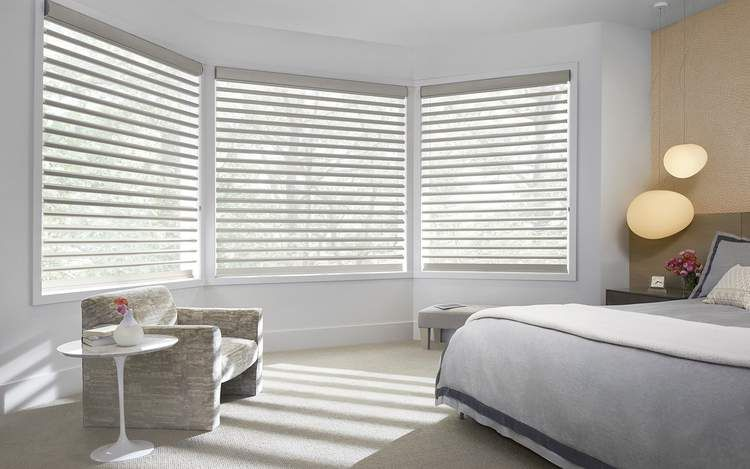
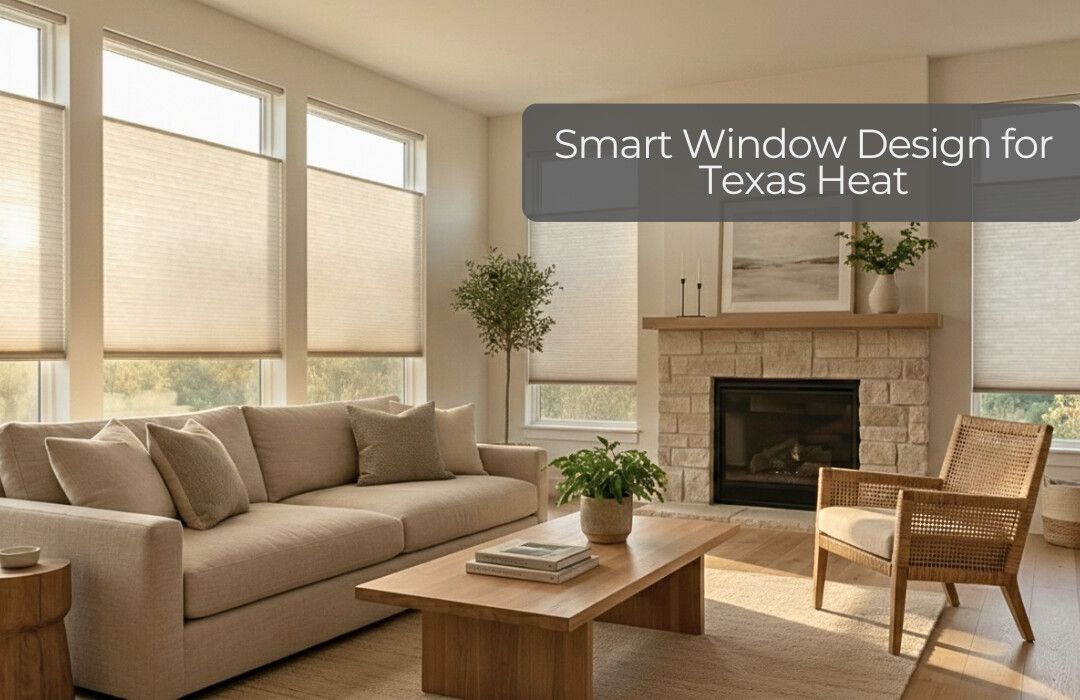
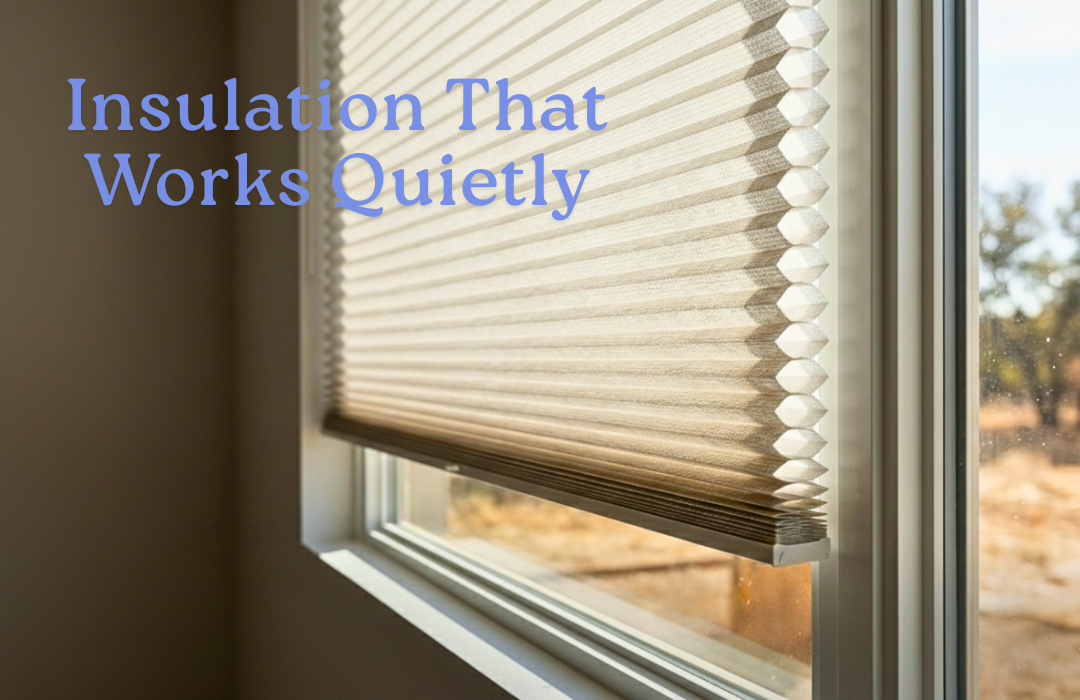
Cellular (honeycomb) shades are widely recommended by designers and energy professionals because of how they trap air within their structure. The honeycomb pockets create insulation between the window and the room. These shades slow the movement of heat during hot months and help retain warmth during cooler seasons.
In DFW homes, cellular shades help stabilize indoor temperatures during peak summer hours, reducing reliance on air conditioning without darkening the space unnecessarily. Their clean appearance also works well in modern, transitional, and traditional interiors, making them a practical and aesthetic solution.
2. Solar Shades: Control Heat Without Blocking the View
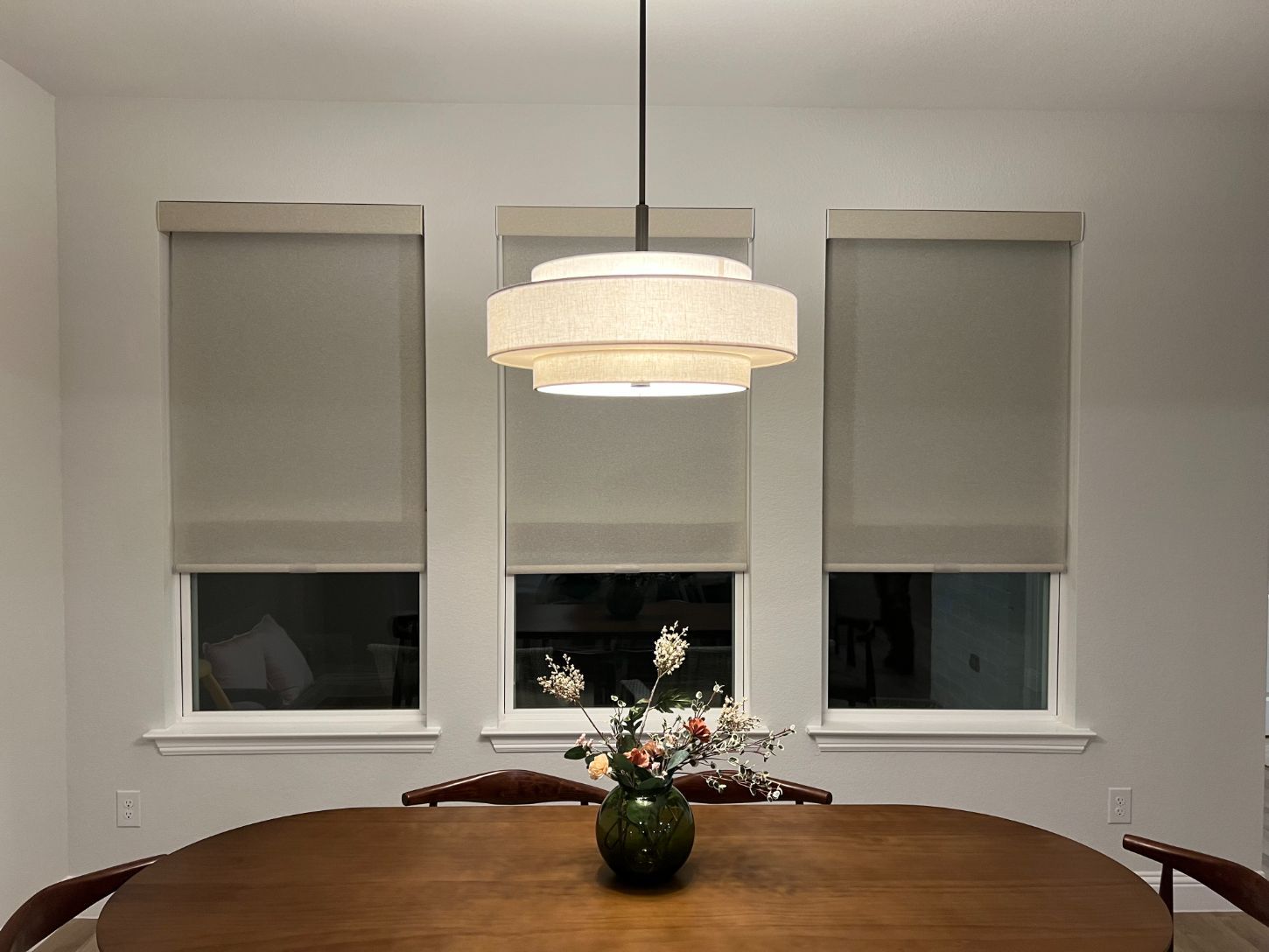
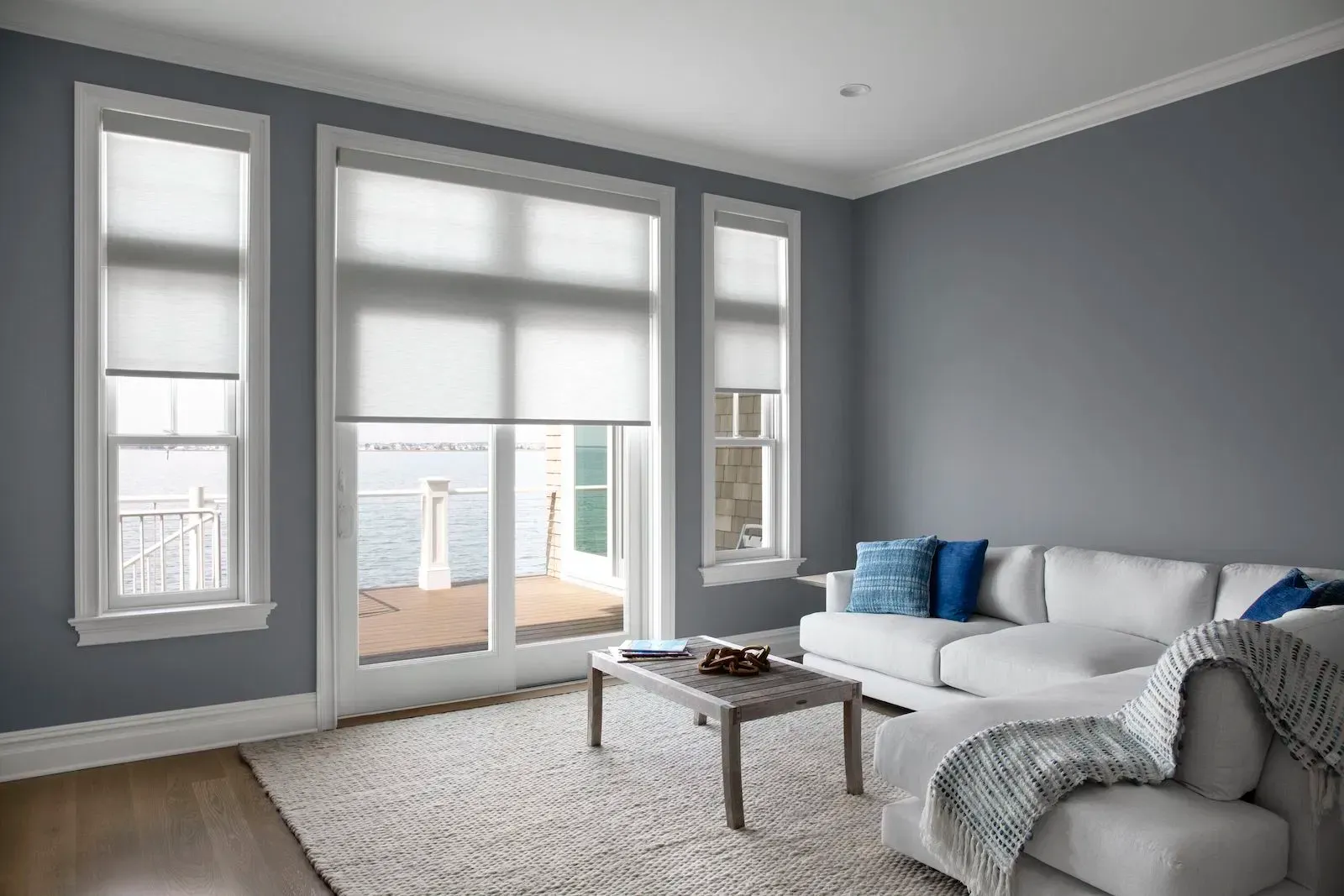
Many Texas homeowners love natural light and outdoor views but struggle with glare and heat buildup. Solar shades are designed to address exactly that problem. These shades filter sunlight before it enters the room, reducing heat gain while preserving visibility. They’re particularly effective on large windows and sliding doors that receive direct sun exposure. Instead of darkening the room, solar shades maintain a bright, open feel while minimizing interior temperature spikes.
In DFW homes with scenic views or expansive glass, solar shades strike an ideal balance between comfort and openness.
3. Plantation Shutters: Thermal Benefit, Architectural Impact
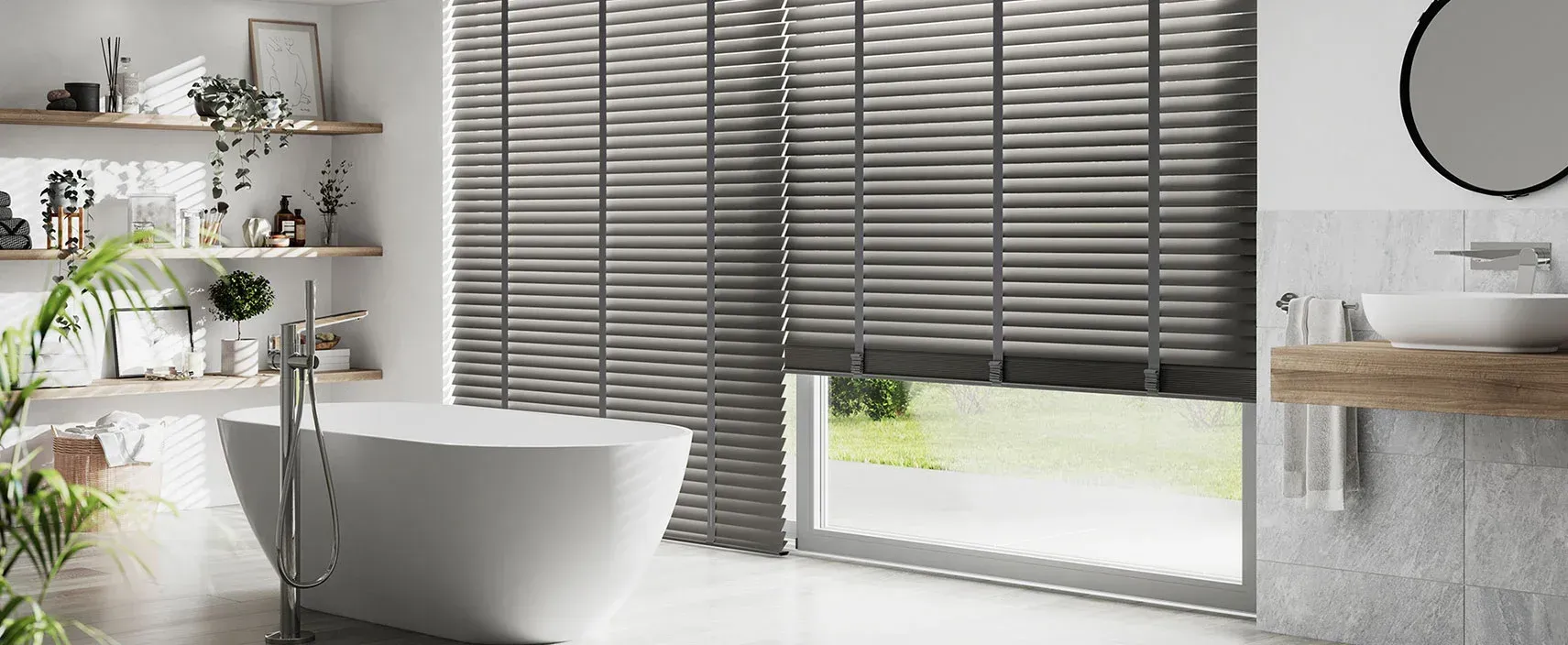
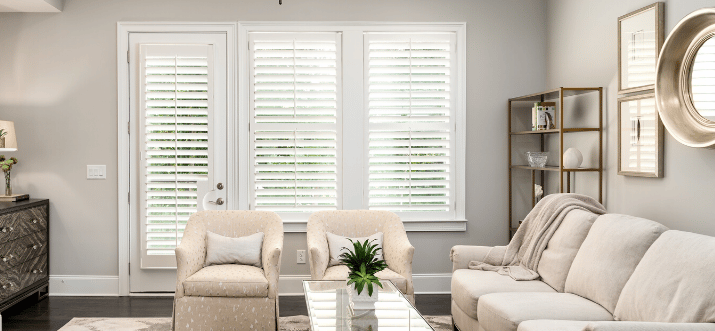
Plantation shutters are often chosen for their timeless appearance, but they also provide solid thermal benefits. Their thick construction and ability to fully close create an additional barrier against heat entering through the glass.
In Texas homes, shutters are especially effective in rooms with intense afternoon sun. Adjustable louvers allow homeowners to redirect light while maintaining airflow, helping manage heat without sacrificing comfort. Their durability also makes them a long-term investment that performs consistently year after year.
4. Layered Window Treatments: Best Energy Performance
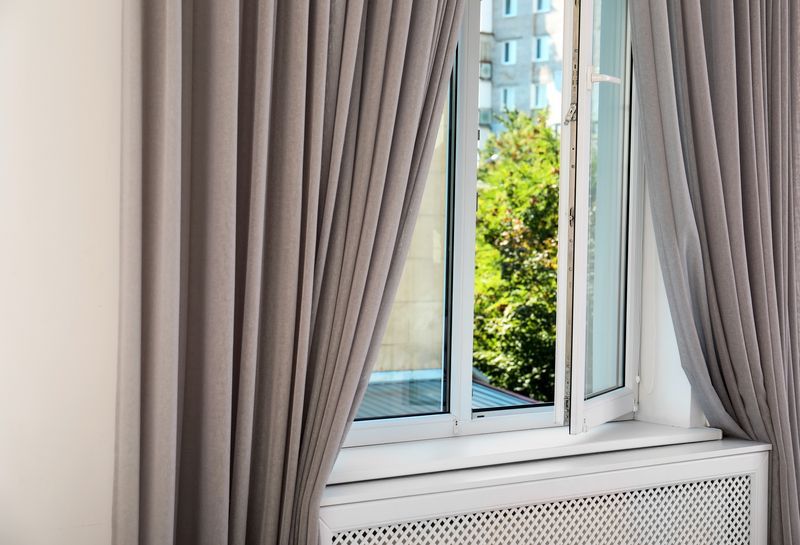
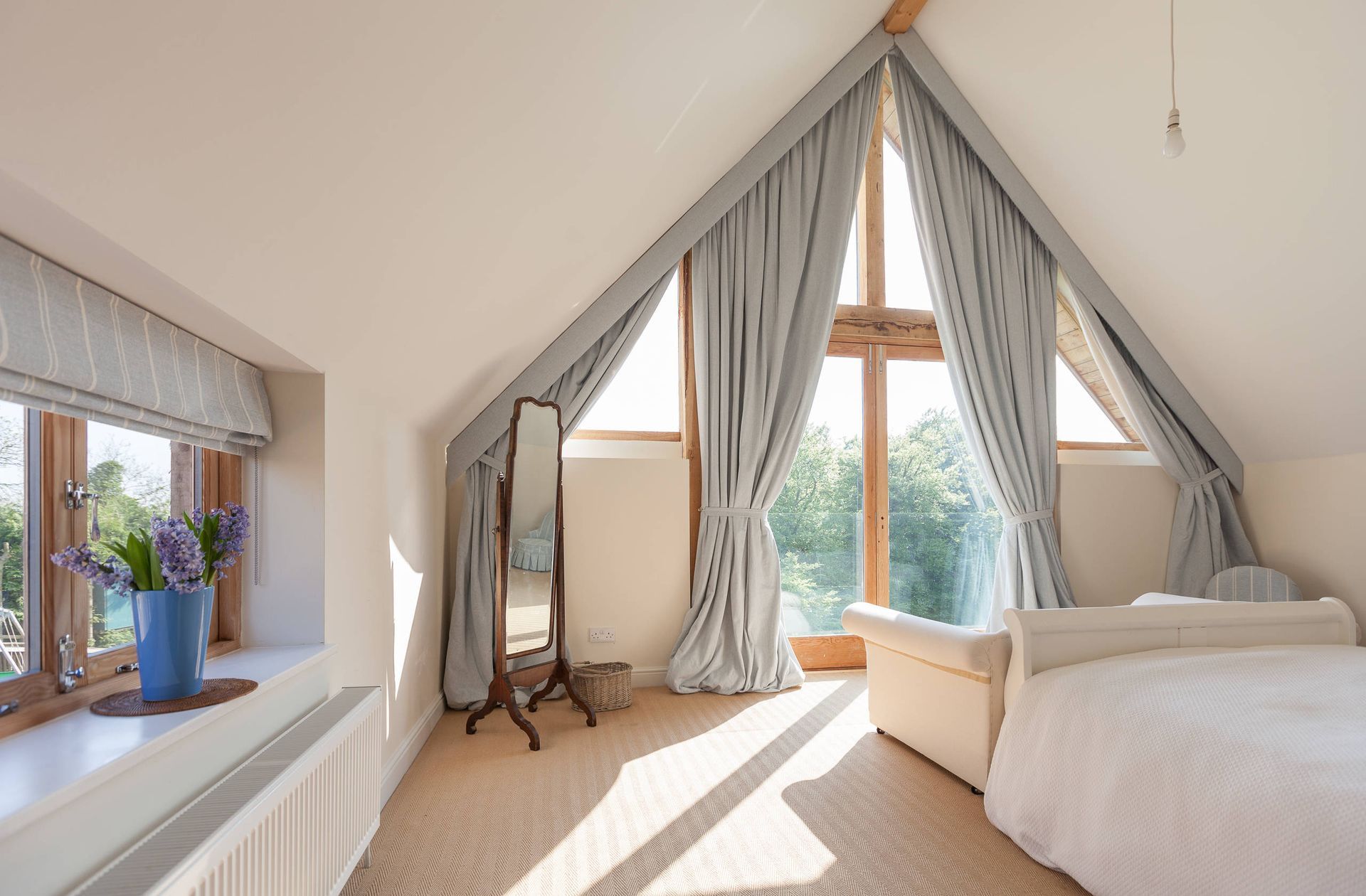
The most energy-efficient homes rarely rely on a single window treatment. Layering, such as pairing solar shades with drapery or combining cellular shades with decorative panels, adds flexibility and enhanced insulation.
During peak heat, layers work together to reduce radiant heat and stabilize indoor temperatures. In the evenings, they help retain cooled air, reducing how often your system cycles overnight. This approach is particularly effective in open-concept homes common throughout the DFW area, where heat can travel freely between spaces.
Custom layering ensures each room performs optimally without feeling heavy or overdesigned.
Custom Fit Matters More Than Most Homeowners Realize
Even the best window treatment loses effectiveness if it doesn’t fit properly. Gaps around the edges allow heat to sneak in, undermining insulation and comfort.
Custom window treatments are measured to account for window depth, mounting position, and surrounding architecture. This precision allows window treatments to perform as intended, to reduce heat transfer instead of simply covering the glass.
In Texas homes, where temperature control is a daily concern, proper fit isn’t a luxury, it’s essential.
Energy Savings Go Beyond Lower Utility Bills
Reducing heat gain doesn’t just save you money. It improves your overall comfort by eliminating hot spots, stabilizing room temperatures, and reducing strain on HVAC systems. Your home feels cooler, quieter, and more balanced throughout the day.
Over time, this also extends the lifespan of your cooling equipment and reduces maintenance costs. Hence, window treatments become part of a larger system working together to create a more efficient, livable home.
Why In-Home Window Treatment Consultation Matters
Online product descriptions rarely account for orientation, sun exposure, or how your home is actually used. What works in one Texas home may fail in another just a few streets away.
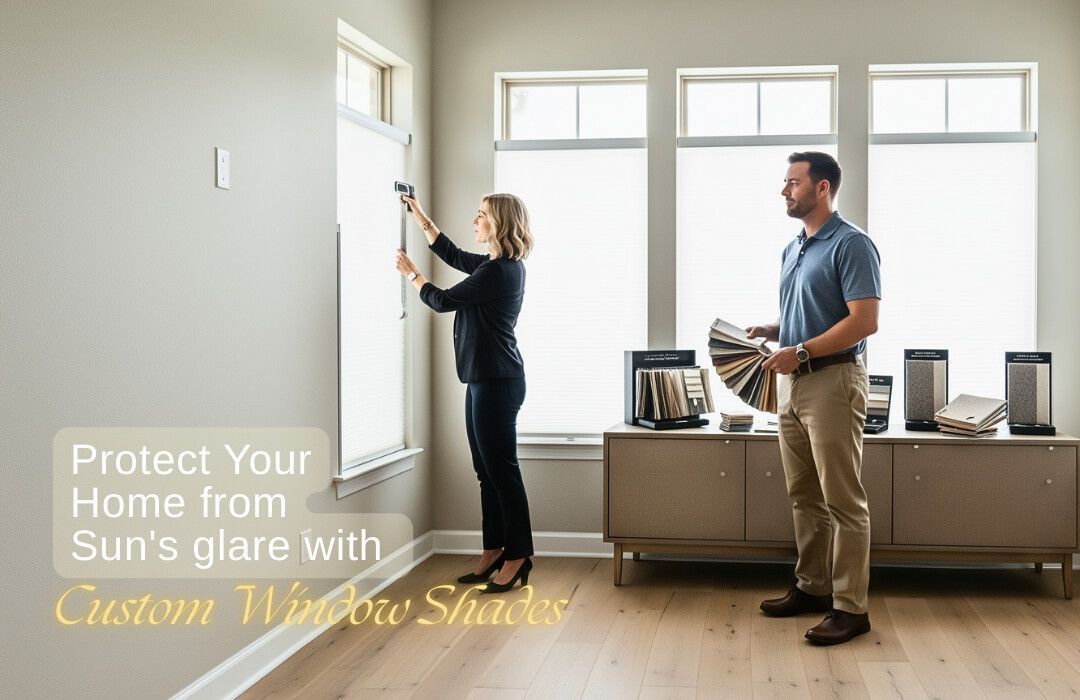
An in-home consultation allows professionals to evaluate sun angles, window placement, lifestyle needs, and design preferences before making recommendations. This approach ensures comfort solutions are tailored, not guessed.
If your home struggles with summer heat or rising energy bills, your windows are the smartest place to start.
Love Is Blinds TX helps DFW homeowners select custom window treatments that reduce heat, enhance comfort, and support long-term energy efficiency.
Schedule your free in-home consultation today and discover how thoughtful window design can make your home cooler, more comfortable, and more efficient, without sacrificing style.
Top 5 FAQs About Window Treatments and Energy Costs
Can window treatments really lower energy bills in Texas?
Yes. Properly selected and installed treatments reduce heat gain, lowering the demand on air conditioning systems and decreasing overall energy usage.
Are cellular shades better than blinds for insulation?
Cellular shades provide superior insulation due to their air-trapping design, making them more effective than standard blinds in reducing heat transfer.
Will solar shades make my home too dark?
No. Solar shades reduce glare and heat while maintaining visibility and natural light, especially when properly selected for openness level.
Do plantation shutters help with summer heat?
Yes. Their solid construction and adjustable louvers create a barrier against radiant heat while allowing flexible light control.
Is custom really necessary for energy efficiency?
Custom sizing ensures proper coverage and minimizes gaps, which is critical for effective heat reduction and consistent comfort.